Bifocal Lenses

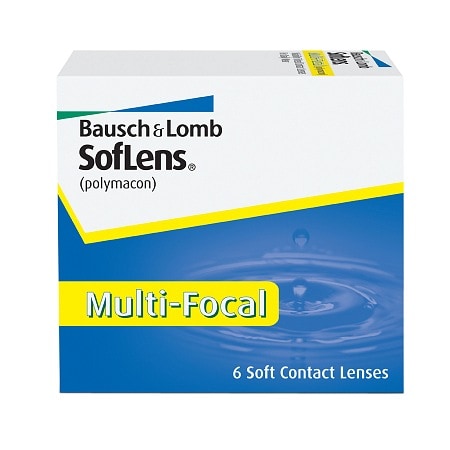





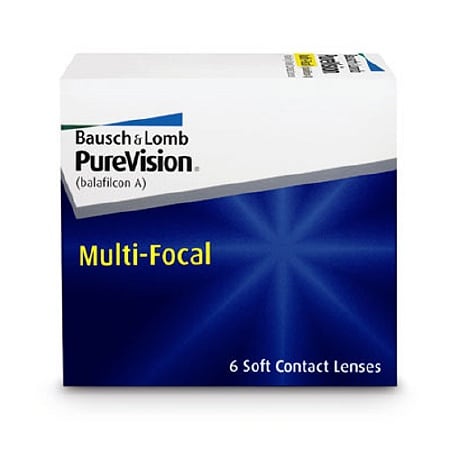
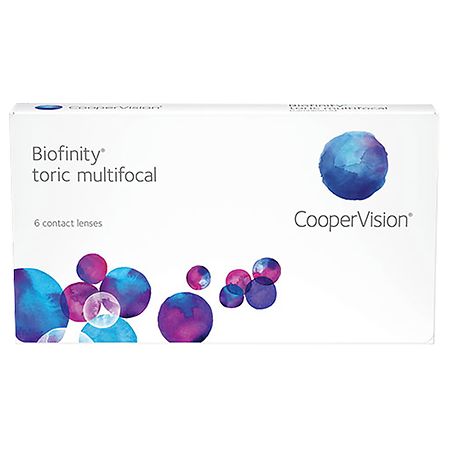


Bifocal Lenses
When you are both nearsighted (reduced ability to see things that are far away) and have presbyopia (reduced ability to see things up close), vision correction can be a challenge. If you're like most people, your presbyopia symptoms began or are beginning in middle age, requiring you to adjust to having to wear corrective lenses to help you see things like fine print in addition to still needing help with viewing things at a distance. Bifocal lenses can help to solve the problem by allowing you to see both up close and faraway without the need for traditional glasses, reading glasses or eyeglasses with bifocal lenses. Many people who have worn contacts for years before developing presbyopia switch to bifocal lenses at the suggestion of their doctors, but you don't have to have worn contacts before to be successful with bifocal lenses. Some people do not try the lenses until they are faced with the decision of having to wear eyeglasses with noticeably segmented lenses. Talk to your eye doctor about whether or not bifocal contacts could be beneficial for you.
Options for Bifocal Contact Lenses
Convenient and invisible to those around you once in place, bifocal contact lenses come in two different types. Segmented, alternated or translated bifocal contacts are divided in half with the top portion correcting your distance vision and the bottom portion helping you see better up close. The contacts are often weighted to keep them oriented in the correct position, so that you can look down to see things up close and look outward and up to see things that are far away. In this way, segmented contacts function just like bifocal corrective lenses in eyeglasses. The second type of bifocal contact lens is called the concentric or simultaneous lens. With this type, each lens contains a circular area in the center of your vision that corrects near-sightedness and a circular ring around this circle that corrects presbyopia. Your brain learns to use each area for a different purpose without you having to think about it. Both types of bifocal lenses will require an adjustment period. Follow your eye doctor's suggestions and instructions to make the process simpler.