Illness and Infections | Walgreens
Illness & infection
Find relief for cold sores, pink eye and sinus infections. Get answers to your questions, plus expert advice, in-store services and recommended solutions.
Start Your Online Visit with virtual healthcare
Available in select states*

What is a cold sore?
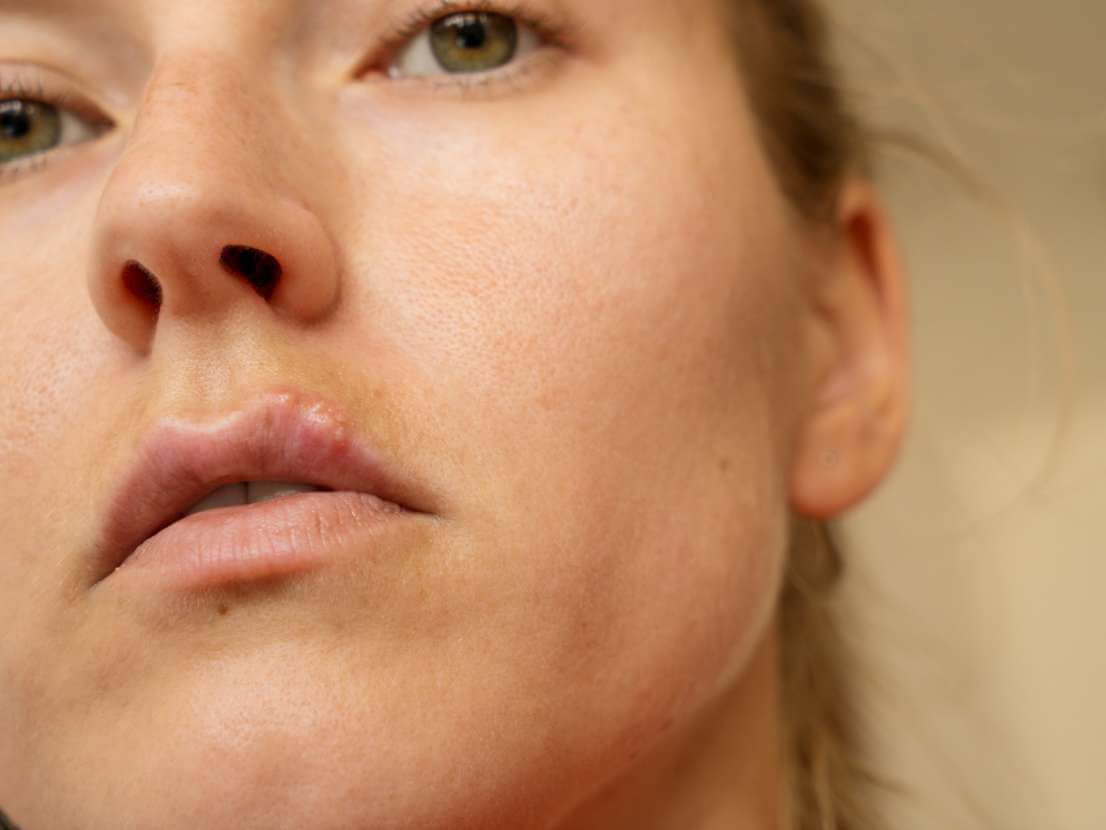
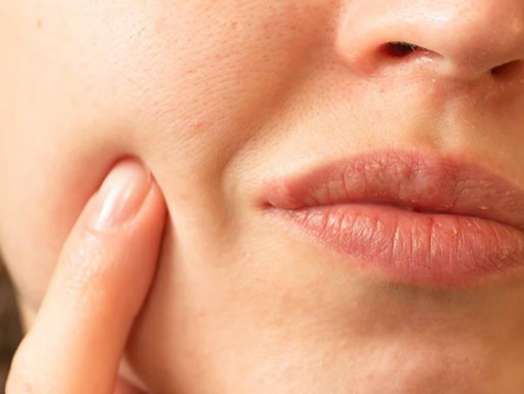
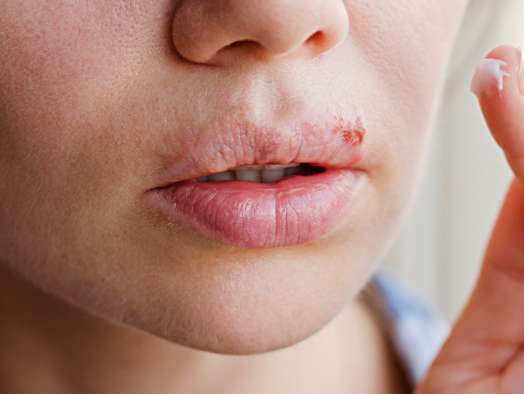
A cold soreOpens in a new window is a small blister or group of blisters that usually develops on the lips or around the mouth. Cold sores are caused by the herpes simplex virus (HSV). The blisters are often grouped together in patches. Typically, in healthy people, cold sores heal within 1–3 weeks without leaving any scarring.
What are cold sore symptoms?
Symptoms of a cold sore can vary and may begin with itching, burning or tingling around the lips a day or so before the cold sore appears. Then, blisters can appear along edges of the lips, sometimes inside the mouth, around the cheeks or nose.
The blisters may burst and leave open sores that ooze and scab over. Symptoms vary from patient to patient and whether it is the first outbreak or a recurrence.
The first occurrence of a cold sore outbreak may be accompanied by fever, painful gums, sore throat, headache, muscle aches or swollen lymph nodes. Sometimes people can experience some of these symptoms and not have a cold sore. Cold sores typically heal within 1–3 weeks.
What types of treatments are available for cold sores?
- For some people, cold sores may go away within 1–3 weeks without any treatment. While there is no cure for cold sores, treatments may help to manage your symptoms.
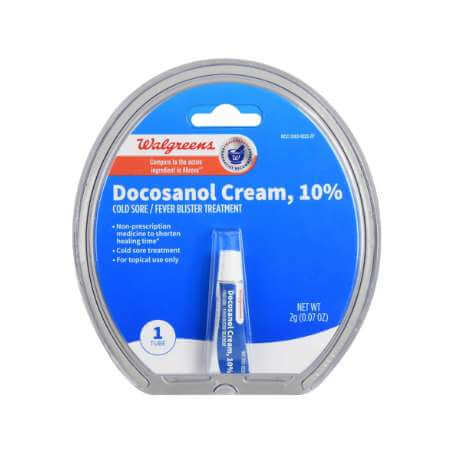
- There are over-the-counter (OTC) and prescription options available. An example of an OTC option is docosanol (Abreva).
- Because cold sores are caused by a virus, doctors may suggest an antiviral medication to help you heal more quickly. These are available by prescription only. There are both topical and oral options available. Acyclovir (Zovirax) is a treatment that is topical or oral. Valacyclovir (Valtrex)Opens in a new window and famciclovir are oral only.
To understand the full range of treatments available, please speak to a healthcare provider.
Over-the-counter cold sore relief
Help cold sores heal faster



What is pink eye (conjunctivitis)?
Pink eye, also known as conjunctivitis, is inflammation of the clear membrane that lines the eyelid and eyeball. When that lining becomes swollen and irritated, it causes the whites of the eye to appear reddish or pink, giving this condition its name.
What causes pink eye?
While pink eye is most often caused by viruses or bacteria, it may also be caused by allergens, irritants or foreign objects in the eye. Pink eye that is caused by viruses and bacteria is highly contagious, so it’s important to get an early diagnosis and take precautions to limit its spread.
What are pink eye symptoms?
Symptoms may include:
- redness, itchiness or tearing
- sensitivity to light
- a gritty feeling in one or both eyes
You may also experience a discharge in one or both eyes that forms a crust during the night and may prevent you from opening your eye(s) in the morning.
What types of medications are available for pink eye?
Sometimes, mild cases of pink eye will clear on its own.
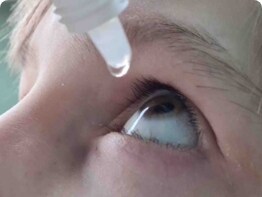
- Allergic pink eye: anti-allergy eye drops are available over the counter or prescribed. Some examples of OTC eye drops include olopatadine (Pataday). Cromolyn sodium is a prescription option for allergic pink eye.
- Bacterial pink eye: antibiotic eye drops or ointments can be prescribed. Some examples of prescribed antibiotic options are erythromycin, trimethoprim-polymyxin B and ofloxacin.
- Viral pink eye: OTC drops that soothe the eye (e.g., Refresh Lubricating Eye Drops) can be used to provide relief.
To understand the full range of treatments available, speak to a healthcare provider.


What is a sinus infection?
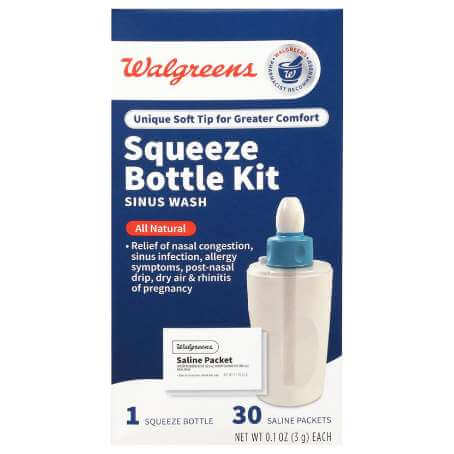
A sinus infection, also called sinusitis, is the swelling of tissue that lines the sinuses (the structures inside your face within the cheekbones, around the eyes and behind the nose that are normally filled with air).
When the sinus lining becomes irritated by allergens or infected by bacteria or viruses, it swells, makes extra mucus and becomes blocked. This makes it difficult for your sinuses to drain, causing mucus to build up and allowing germs to grow.
Viruses, like the ones that cause common colds, are the usual cause of sinusitis. Sinusitis usually clears on its own within 7 to 10 days.
What are the symptoms of a sinus infection?
Symptoms may include a runny nose with thick, yellow or greenish mucus, mucus draining down the back of the throat (postnasal drip), and/or a blocked or stuffy nose.
You may also experience pain, tenderness, swelling and pressure around the eyes, cheeks, nose or forehead that gets worse when bending over.
Other signs include ear pressure, headache, aching in the teeth, changed sense of smell, cough, bad breath, tiredness or fever.
What types of medications are available for sinus infections?
Sinus infections can often clear on their own. However, it is important to seek help from a healthcare provider to determine the best course of action.
There are medications used to treat the symptoms. However, if the sinus infection needs antibiotics, some that are prescribed include: amoxicillin, amoxicillin/clavulanate (Augmentin) or doxycycline.
To understand the full range of treatments available, speak to a healthcare provider.
Over-the-counter sinus relief
Breathe easy with help for sinus infections


What is strep throat?
Strep throat is an infection caused by a bacteria called ‘group A streptococcus’. It can cause a sore throat (pharyngitis).
What are the symptoms of strep throat?
Symptoms of strep throat may include fever, chills, a red sore throat that may have white patches, pain when swallowing and swollen tender neck glands. You may also experience a general ill feeling, a loss of appetite, headache and nausea.
Is strep throat contagious?
Yes, strep throat is highly contagious. Strep throat is spread through close contact with others. For example, the bacteria often spreads to other people in the same household. The bacteria can be spread through droplets when someone with the infection coughs or sneezes, or through shared food or drinks. You can also pick up the bacteria from household surfaces.
Strep throat can be spread to others until you have been on antibiotics for 24 to 48 hours. If you have strep throat, you should refrain from going to school, daycare or work until you have been on antibiotics for at least 24 hours. To help prevent the spread of strep throat to others, wash your hands frequently, avoid sharing eating utensils and cover your mouth with a tissue or your upper sleeve or elbow when you sneeze or cough.
What’s the difference between strep throat and a sore throat?
Most sore throats are caused by viruses, not bacteria. Viral causes of a sore throat do not respond to antibiotics. Strep throat, because it is caused by bacteria, will usually respond to antibiotics. Antibiotics are taken to speed up your recovery and to prevent rare but more serious health problems, such as rheumatic fever.
How do you test for strep throat?
To test for strep, your throat is swabbed in the area of the tonsils. Please note that Walgreens does not offer in-person strep testing.
Is testing available for strep throat through Walgreens Virtual Healthcare?
Strep throat testing is not available through Walgreens Virtual Healthcare. If you are seeking care for strep throat, please note that based on recent clinical guidelines, in person strep testing is required in many, but not all cases. We can provide guidance on whether it would be appropriate based on your symptoms.
Click here Opens in a new window to start a visit with Walgreens Virtual Healthcare.
Stay on track with Rx alerts & expert care



Frequently Asked Questions
- What is a cold sore?
A cold soreOpens in a new window is a small blister or group of blisters that usually develops on the lips or around the mouth. Cold sores are caused by the herpes simplex virus (HSV). The blisters are often grouped together in patches. Typically, in healthy people, cold sores heal within 1–3 weeks without leaving any scarring.
- What are cold sore symptoms?
Symptoms of a cold sore can vary. Symptoms may begin with itching, burning or tingling around the lips a day or so before the cold sore appears. Then, blisters can appear along edges of the lips, sometimes inside the mouth, around the cheeks or nose. The blisters may burst and leave open sores that ooze and scab over. Symptoms vary from patient to patient and whether it is the first outbreak or a recurrence. The first occurrence of a cold sore outbreak may be accompanied by fever, painful gums, sore throat, headache, muscle aches or swollen lymph nodes. Sometimes people can experience some of these symptoms and not have a cold sore. Cold sores typically heal within 1–3 weeks.
- What types of treatments are available for cold sores?
- For some people, cold sores may go away within 1–3 weeks without any treatment. While there is no cure for cold sores, treatments may help to manage your symptoms.
- There are over-the-counter (OTC) and prescription options available. An example of an OTC option is docosanol (Abreva).
- Because cold sores are caused by a virus, doctors may suggest an antiviral medication to help you heal more quickly. These are available by prescription only. There are both topical and oral options available. Acyclovir (Zovirax) is a treatment that is topical or oral. Valacyclovir (Valtrex)Opens in a new window and famciclovir are oral only.
- To understand the full range of treatments available, please speak to a healthcare provider.
- How can I prevent cold sores?
A healthcare provider can help you decide which prevention methods are best for you. Steps you can take to help prevent spreading cold sores to others include avoiding kissing and skin contact with people while blisters are present, avoid sharing items like utensils, towels and lip balms while blisters are present and washing your hands often.
Pink Eye
- What is pink eye (conjunctivitis)?
Pink eye, also known as conjunctivitis, is inflammation of the clear membrane that lines the eyelid and eyeball. When that lining becomes swollen and irritated, it causes the whites of the eye to appear reddish or pink, giving this condition its name.
- What causes pink eye?
While pink eye is most often caused by viruses or bacteria, it may also be caused by allergens, irritants or foreign objects in the eye. Pink eye that is caused by viruses and bacteria is highly contagious, so it’s important to get an early diagnosis and take precautions to limit its spread.
- What are pink eye symptoms?
Symptoms may include redness, itchiness, tearing, sensitivity to light and/or a gritty feeling in one or both eyes. You may also experience a discharge in one or both eyes that forms a crust during the night and may prevent you from opening your eye(s) in the morning.
- What types of medications are available for pink eye?
Sometimes, mild cases of pink eye will clear on its own.
- Allergic pink eye: anti-allergy eye drops are available over the counter (OTC) or prescribed. Some examples of OTC eye drops include olopatadine (Pataday). Cromolyn sodium is a prescription option for allergic pink eye.
- Bacterial pink eye: antibiotic eye drops or ointments can be prescribed. Some examples of prescribed antibiotic options are erythromycin, trimethoprim-polymyxin B and ofloxacin.
- Viral pink eye: over-the-counter drops that soothe the eye (ex: Refresh Lubricating Eye Drops) can be used to provide relief.
To understand the full range of treatments available, speak to a healthcare provider.
- How long does pink eye typically last?
Pink eye typically clears up in 1–3 weeks without treatment. OTC or prescription medications may shorten the length of infection. If your symptoms last longer than 3 weeks, you should seek care from your healthcare provider.
- How can I prevent the spread pink eye?
Good hygiene can help to prevent the spread of pink eye. Some practices include washing your hands often, changing pillowcases and towels regularly, refraining from touching your eyes and discarding old eye cosmetics. You can also clean your eyelids with a wet clean cloth and apply cold or warm compresses throughout the day.
- What is a sinus infection?
A sinus infection, also called sinusitis, is the swelling of tissue that lines the sinuses (the structures inside your face within the cheekbones, around the eyes and behind the nose that are normally filled with air). When the sinus lining becomes irritated by allergens or infected by bacteria or viruses, it swells, makes extra mucus and becomes blocked. This makes it difficult for your sinuses to drain, causing mucus to build up and allowing germs to grow.
Viruses, like the ones that cause common colds, are the usual cause of sinusitis. Sinusitis usually clears on its own within 7 to 10 days.
- What are the symptoms of a sinus infection?
Symptoms may include a runny nose with thick, yellow or greenish mucus, mucus draining down the back of the throat (postnasal drip), and/or a blocked or stuffy nose. You may also experience pain, tenderness, swelling and pressure around the eyes, cheeks, nose or forehead that gets worse when bending over. Other signs include ear pressure, headache, aching in the teeth, changed sense of smell, cough, bad breath, tiredness or fever.
- Are sinus infections contagious?
Sinus infections are not contagious, but the viruses and bacteria that cause them are.
- What types of medications are available for sinus infections?
Sinus infections can often clear on their own. However, it is important to seek help from a healthcare provider to determine the best course of action. There are medications used to treat the symptoms. However, if the sinus infection needs antibiotics, some that are prescribed include: amoxicillin, amoxicillin/clavulanate (Augmentin), or doxycycline. To understand the full range of treatments available, speak to a healthcare provider.
- How can I prevent sinusitis?
Because sinus infection may be caused by a bacteria or viral infection, basic hygiene practices, like handwashing, are a great start. It’s helpful to manage your overall illness and infections which can include staying up to date on vaccines, avoiding close contact with people who have upper respiratory infections, not smoking and using a humidifier.
- What is strep throat?
Strep throat is an infection caused by a bacteria called ‘group A streptococcus’. It can cause a sore throat (pharyngitis).
- What are the symptoms of strep throat?
Symptoms of strep throat may include fever, chills, a red sore throat that may have white patches, pain when swallowing and swollen tender neck glands. You may also experience a general ill feeling, a loss of appetite, headache and nausea.
- Is strep throat contagious?
Yes, strep throat is highly contagious. Strep throat is spread through close contact with others. For example, the bacteria often spreads to other people in the same household. The bacteria can be spread through droplets when someone with the infection coughs or sneezes, or through shared food or drinks. You can also pick up the bacteria from household surfaces.
Strep throat can be spread to others until you have been on antibiotics for 24 to 48 hours. If you have strep throat, you should refrain from going to school, daycare or work until you have been on antibiotics for at least 24 hours. To help prevent the spread of strep throat to others, wash your hands frequently, avoid sharing eating utensils and cover your mouth with a tissue or your upper sleeve or elbow when you sneeze or cough.
- What’s the difference between strep throat and a sore throat?
Most sore throats are caused by viruses, not bacteria. Viral causes of a sore throat do not respond to antibiotics. Strep throat, because it is caused by bacteria, will usually respond to antibiotics. Antibiotics are taken to speed up your recovery and to prevent rare but more serious health problems, such as rheumatic fever.
- How do you test for strep throat?
To test for strep, your throat is swabbed in the area of the tonsils.
- What type of testing is available for strep throat through Walgreens?
If you suspect you have strep throat, you can connect with a Virtual Healthcare provider. Click here Opens in a new window to start a visit.
If the clinician suspects you have strep throat, a lab may be ordered based on your symptoms. Click here Opens in a new window to learn more about lab services.
You can have a Rapid Strep Test or a Throat Culture performed at a Labcorp or Quest Diagnostics location convenient to you. After the order is placed by a Walgreens Virtual Healthcare provider, you will need to go in-person to complete the lab service (Labcorp and Quest Diagnostics will charge a separate lab fee). If the results are negative, Walgreens Virtual Healthcare will release the results to you, send applicable educational materials and recommended next steps. If your results are positive, a clinician will call you and may prescribe an appropriate medication which can be obtained at your local Walgreens or another pharmacy of your choice.
Rapid Strep Test: A rapid strep test can provide results in 10-20 minutes. If a rapid strep test is negative, but your health care provider still thinks you have strep throat, they may order a throat culture.
Throat Culture: This provides a more accurate diagnosis than a rapid strep test, but it can take 24-48 hours to receive results.
Sinus Infection (Sinusitis)
Strep Throat
Virtual Healthcare Disclaimers
*Currently available in the following states: AL, AZ, CA, CO, CT, FL, GA, IL, IN, KS, KY, LA, MA, MD, MI, MN, MO, NC, NJ, NV, NY, OH, OK, PA, SC, TN, TX, VA, WA, WI
Based on national averages. Actual times may vary.
Labcorp and Quest staff are not associates, employees and/or agents of Walgreen Co. or any Walgreens subsidiary or affiliated company. Lab service will be a separate fee, price may vary.
Prescription based on medical evaluation and not guaranteed.
Walgreens-affiliated medical practices are independently owned and operated by licensed physicians who provide services using the Walgreens virtual care program telehealth platform. For more information about the relationship between Walgreens and the medical practices click here.
Walgreens Health Medical Group California P.C. is a California professional medical corporation utilizing the fictitious name “Walgreens Health Medical Group California P.C.” pursuant to Cal. Bus. & Prof. Code § 2415. To view the Fictitious Name Permit click here.